‘Pillowcase rapist’ once again found guilty of raping a woman in 1980s
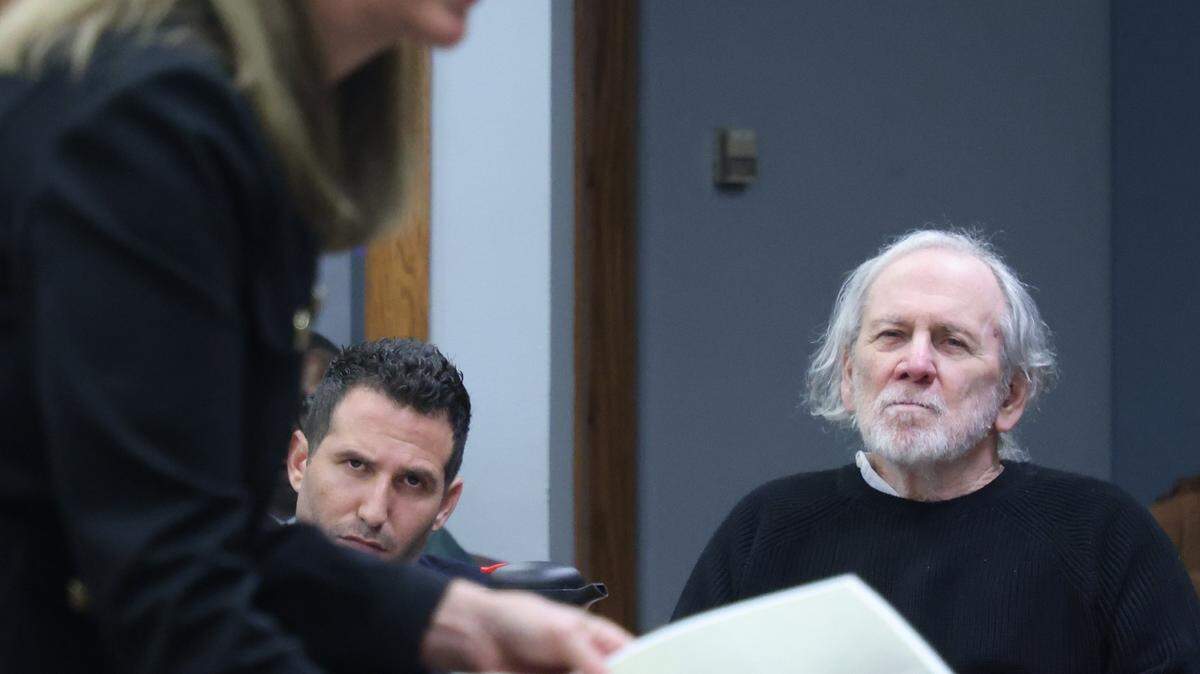
The man who police identified by DNA as the Pillowcase Rapist was found guilty Monday of restraining a woman with a telephone cord, gagging her with a wad of fabric, and sexually assaulting her twice at her Southwest Miami-Dade townhouse four decades ago.
Robert Koehler, 66, stood from his wheelchair showing little emotion as the verdict was read. With its quick verdict, deliberated in less than two hours, the Miami-Dade Circuit Court jury acknowledged that Koehler terrorized and sexually assaulted the 22-year-old woman in 1984.
“Today’s conviction of Robert Koehler, often labeled as ‘the Pillowcase Rapist’ in the media, brings a long-delayed sense of justice to a young woman who had to wait some 40 years to hear the word guilty spoken in court,” State Attorney Katherine Fernandez Rundle said in a statement.
READ MORE: Victim of Miami’s ‘Pillowcase Rapist’ gagged, bound in 1984 sexual assault: testimony
The woman took the stand last week, recounting the crime. She said she tried to fight her attacker and attempted to use her elbow, angering him to the point that he tied her hands with the telephone cord.
“He had one hand over my mouth, probably so I wouldn’t scream, and then the knife at my throat,” she said.
Koehler was convicted in 2023 in another rape case from 1983, and through DNA, is facing charges in a string of sexual assaults across South Florida from the 1980s.
Back in the ‘80s, Koehler was known only as the “Pillowcase Rapist” because he typically shielded his face with a pillowcase or shirt. The Pillowcase Rapist was one of the most notorious serial rapists in Florida history.
Koehler, who is serving a 17-year sentence for his previous convictions, now awaits sentencing for this crime.
The hunt for the Pillowcase Rapist went cold until a DNA hit in 2020, following the arrest of Koehler’s son. His son’s domestic battery arrest led police to Koehler, a registered sex offender who had settled in Palm Bay in Central Florida.
Undercover investigators then tailed Koehler to a Walmart and collected a wipe he used to clean a shopping cart, prosecutors say. The DNA from the wipe was a match to the semen collected after the 1984 sexual assault.
Koehler was arrested the next day at his Palm Bay home. Police then obtained a warrant for a direct DNA sample, which matched what they found on the victim.
All came down to DNA evidence
Koehler chose not to testify during this trial unlike his previous trials where he denied any involvement in the sexual assaults he was linked to.
During his 2023 trial, Koehler testified that he had been kidnapped, sexually tortured and drugged by police officers, who extracted the semen that linked him to dozens of rapes in the 1980s.
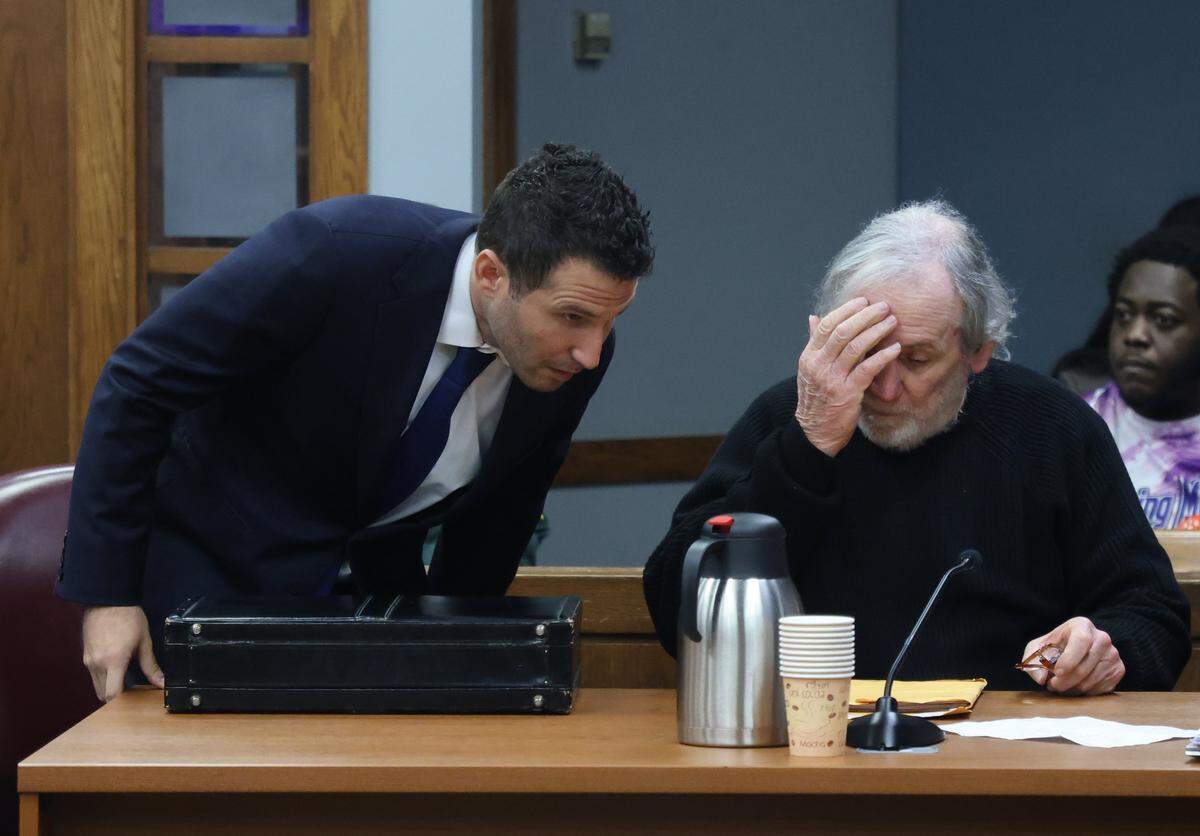
During closing arguments in the most recent case, prosecutor Laura Adams urged jurors to focus on the DNA evidence that linked Koehler to a 1984 sexual assault long attributed to the so-called Pillowcase Rapist.
Adams described the attack as deliberate and that Koehler intended to terrorize the victim. She reminded jurors that the woman was threatened with a knife and physically cut.
According to Adams, Koehler forced the woman from her upstairs bedroom down to downstairs, purposely disorienting her — the basis for the kidnapping charge he was also found guilty of. She described how the woman was “gagged, bound, blindfolded,” and subjected to a brutal assault intended “to violate her body, to violate who she is.”
Koehler, dressed in a navy blue sweater and in a wheelchair, could be seen shaking his head as Adams spoke.
After the attack, the victim’s best friend urged her not to shower, allowing investigators to collect a rape kit that would later become crucial evidence.
Adams emphasized the reliability of the forensic work of “dedicated scientists” that ultimately identified Koehler.
“DNA doesn’t change over time,” Adams said. “It’s important for you all to understand — this defendant does not have an identical twin. There’s nobody else with that DNA.”
Koehler’s defense attorneys argued that prosecutors emphasized the DNA evidence because that is all the evidence they had against Koehler.
Defense Attorney Alex Klayman argued that Koehler was six-foot-one and had black hair during the 1980s which did not match the woman’s description of her assaulter of brown hair and a medium build.
Klayman also moved to dismiss the validity of the DNA evidence by saying that the DNA found on the victim was “non-motile” meaning infertile sperm, which would not match Koehler who has three biological children.
Prosecutors said that none of the testing and analysis done was a fertility test and none of the expert witnesses testified to the sperm being infertile.
Adams urged the jury to trust the DNA evidence and presented jurors charts of the evidence she said are “not just colorful number,” but represent “decades worth of work and research.”
This story was originally published November 3, 2025 at 1:54 PM.